


A piezoelectrically actuated high-gain antenna pointing mechanism for the LISA mission
0,00 €
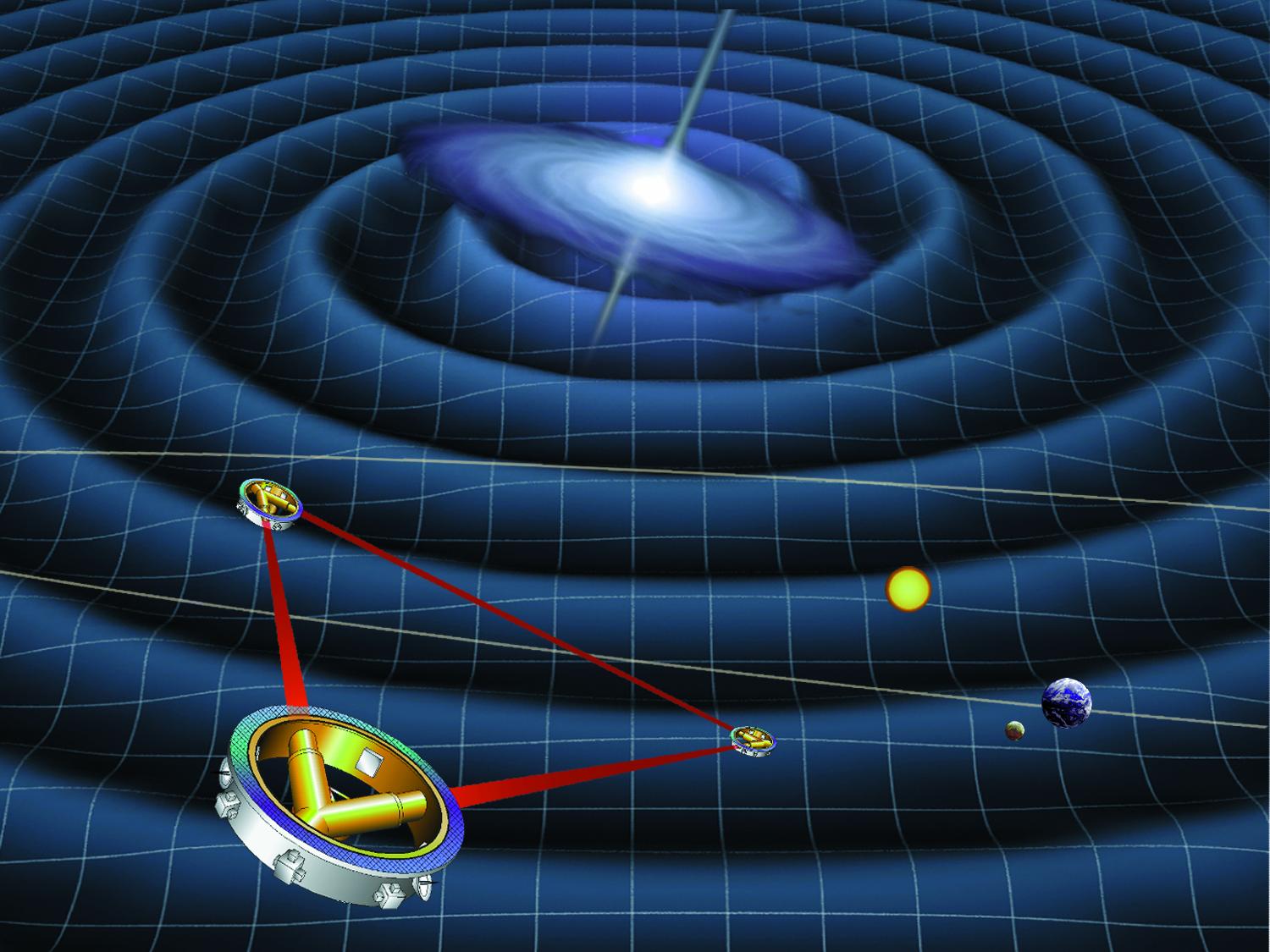
This paper presents the design, experimental microvibration characterization, model correlation, and antennalevel disturbance prediction of the high-gain antenna pointing mechanism for the Laser Interferometer Space Antenna (LISA) mission.
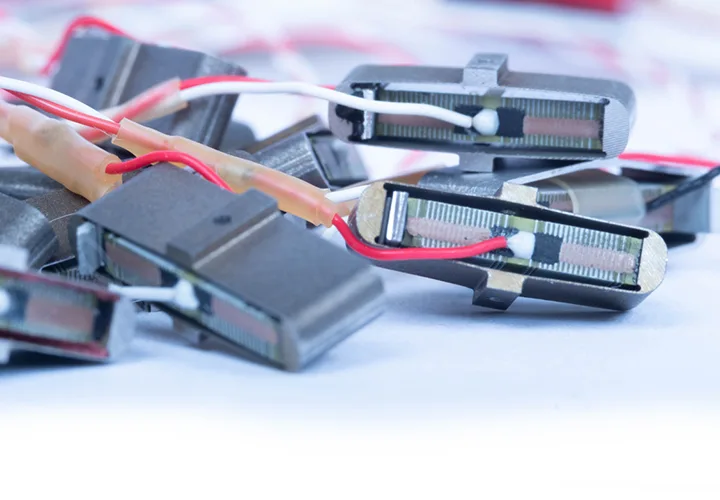
The proposed mechanism is based on two piezoelectric inchworm motors arranged in an elevation-over-azimuth configuration. Piezoelectric actuation is selected to satisfy the stringent LISA requirements in terms of low exported microvibration, very low operating speed, and magnetic cleanliness.
A prototype representative of one actuation stage is designed, manufactured, and tested. Its exported forces and moments have been measured in six degrees of freedom through a dedicated microvibration campaign.
The experimental results are then used to correlate a finite element model intended for prediction at antenna level. Since the complete inchworm mechanism is not strictly linear time-invariant, the correlation is performed using a local equivalent linear representation of the dominant disturbance source, namely the release of loaded clamps during the stepping sequence.
The results show very good agreement in the actuation degree of freedom, with a relative error below 8% in the RMS exported torque, which is the dominant disturbance component, and reasonable agreement in the coupled directions.
The correlated model is subsequently used to estimate the exported microvibration performance of the complete antenna, independently assessing the azimuth and elevation drive stages, and demonstrating compatibility with the mission requirements.
Related products
-
A new amplified piezoelectric actuator for precise positioning and active damping
0,00 € Add to downloads -
Actionneurs piezoélectriques pour positionnement rapide et précis
0,00 € Add to downloads -
Active damping of vibrations applied on ski structures
0,00 € Add to downloads -
Active control of the spatial MRI phase distribution with optimal control theory
0,00 € Add to downloads