Publications

Category

  • (6)
  • (220)
    • (34)
      • (9)
    • (3)
    • (153)
      • (18)
      • (9)
      • (5)
      • (10)
      • (12)
      • (17)
      • (4)
      • (109)
      • (8)
    • (15)
      • (7)
      • (2)
      • (1)
    • (162)
      • (21)
      • (2)
      • (5)
      • (115)
      • (37)
    • (12)
      • (5)
    • (63)
      • (22)
      • (3)
      • (7)
    • (64)
      • (20)
      • (6)
      • (24)
      • (7)
    • (13)
      • (1)
      • (2)
      • (3)
      • (1)
      • (1)
    • (15)
    • (13)
      • (4)
      • (6)
  • (4)

By clicking ‘Add to download’, your selected publications are automatically grouped in the dedicated ‘My Downloads’ tab, accessible at the top right of the page.

a wideband vibration energy harvester with integrated energy management designed for harsh environment.

A wideband vibration energy harvester with integrated energy management designed for harsh environment.

14 June 2024

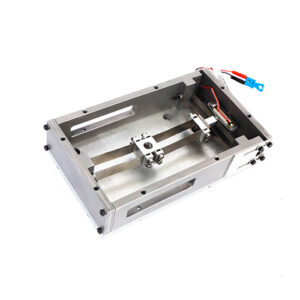
Bistable energy harvesters (BEH) are well adapted devices to deal with the variation of the vibration source frequency spectrum. Indeed, the non-linear motion of this kind of harvester allow to reach a harvesting bandwidth up to 50% of the resonant frequency compared to 1-2% of the resonant frequency typically for conventional linear energy harvesters. CEDRAT TECHNOLOGIES proposes a design using buckled beam and Amplified Piezoelectric Actuator (APA®) technology based on an architecture patented by the USMB. The nonlinear behavior of such a kind of energy harvester has already been studied in the literature and has demonstrated promising results. Due to the use of buckled beam, the bistable energy harvester is very sensitive to the thermal expansion resulting from the harsh environment. In this paper, it is proposed an improved design to manage the thermal expansion and ensure harvesting capabilities on a wide temperature range from -40°C to +80°C. Furthermore, an electronic extraction circuit has been implemented to deliver a regulated output voltage to power an IoT. Moreover, this electronic circuit can deal with spontaneous excess of energy by storing it into a supercapacitor or a battery and sink this energy to still powering the IoT when the vibration level decrease. The BEH with the electronic extraction circuit can generate a power of 8mW. The combination of an athermalized Bistable Energy Harvester with an electronic extraction circuit increases the technological readiness level to be integrated in system subjected to harsh environment like railway application for instance.

Amplified Piezo Actuators with embedded Eddy Current Sensor for cryo space De-SPIN mechanism

7 July 2026

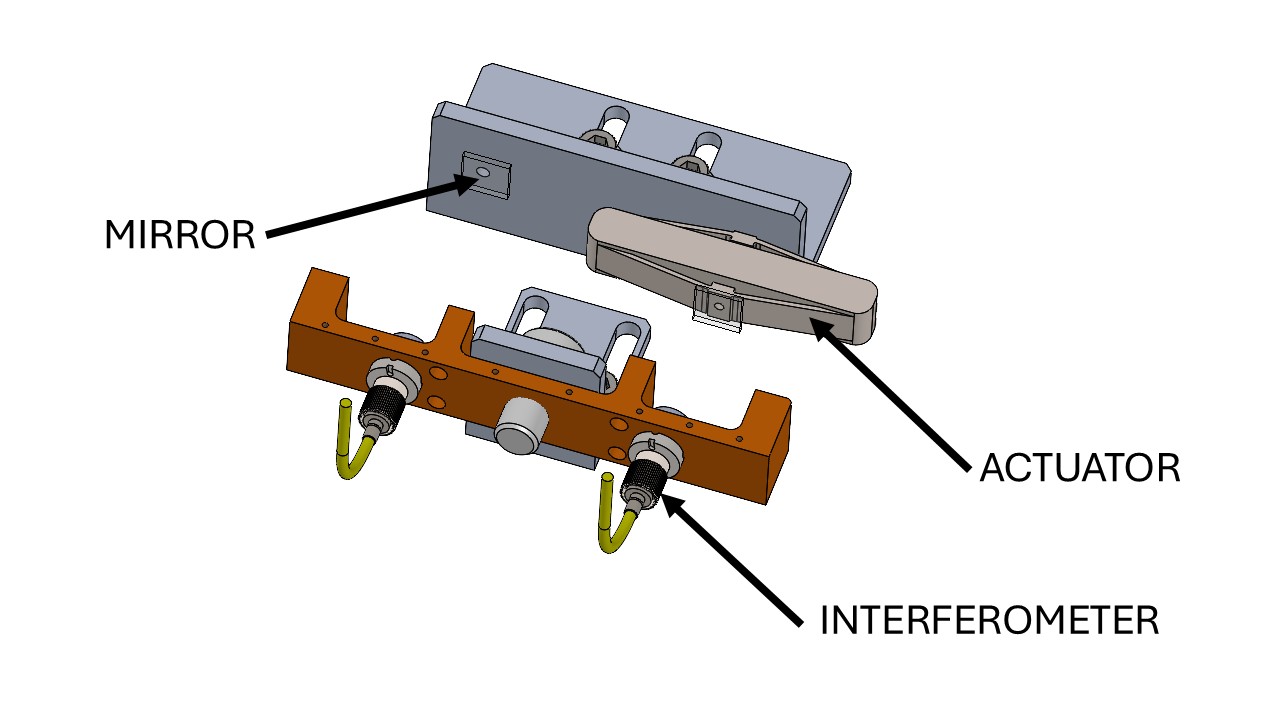
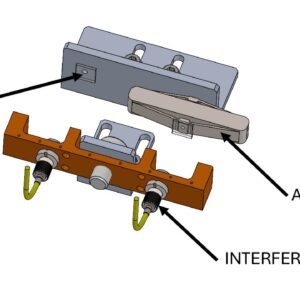
Piezoelectric actuators are known as a compact and dynamic solution for space laser pointing applications. Yet, to avoid the use of an HDRM (Hold Down Release Mechanism), the usual maximum load force needs to be increased, which impacts directly on the stroke performances of the actuator. Additionally, the cryogenic environment has a significant impact on the piezoelectric components, mechanical part and integrated sensor performance, especially on strain gauges that present an advantage in compacity and precision but that cannot operate under low temperatures. The ESA funded the De-SPIN Project to address those challenges by designing and testing an actuator based on Amplified Piezoelectric Actuator (APA®) technologies that integrate new features to ensure the cryogenic compatibility, low magnetism and vibration resistance once integrated in a complete Fast Steering Mirror. This actuator can reach a 105μm stroke at -150°C with redundancy and can withstand an 18.04 g-RMS random vibration launch with a 0.125kg payload.

Bistable Piezoelectric Energy harvester with embedded power management electronics for railway monitoring

7 July 2026

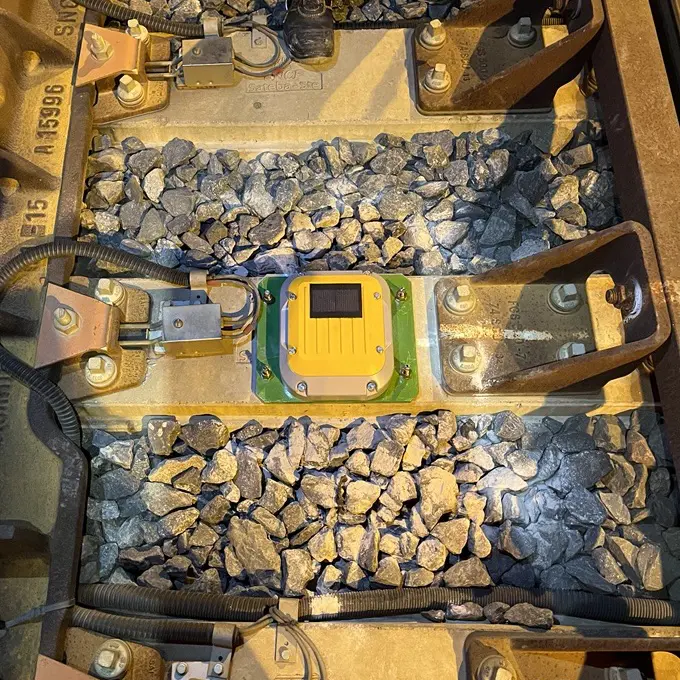
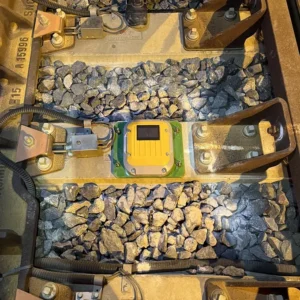
Railway environments present a rich but challenging source of energy harvesting opportunities, thanks to the substantial vibrations, shocks and dynamic loads induced by passing trains and infrastructure deformations. To exploit this energy for powering low-power sensor systems in trackside or onboard applications, a nonlinear approach, namely a bistable energy harvester—offers a promising alternative to conventional linear resonant devices. A bistable harvester employs a mechanical system with two stable equilibrium positions separated by a potential barrier. Under sufficiently large external excitation, the system “jumps” between the two wells, achieving comparatively large amplitude motion and thereby generating more electrical energy over a broader frequency bandwidth. Compared to narrow-band linear harvesters, bistable designs are better suited to the broad, stochastic, and variable vibration spectra typical of railway conditions. The Bistable Piezoelectric Energy Harvester (BPEH) has been designed, tested in lab and installed in railways to monitor the harvested energy.
dtt pharao

Design and testing challenges of space piezoelectric pointing mechanisms as mirror mass increases

4 December 2025

Piezoelectric pointing mechanisms should not only perform high precision functions but should also be extremely resistant while remaining compact and lightweight to withstand the space launch requirements. Ensuring the vibration test success, still without using any launch lock, is a critical aspect of the projects. This paper presents how the increase of the mechanism stroke and the payload size is affecting the capability of the devices to support vibrations during launch, and how the non-linear behaviour of the piezoelectric ceramic stiffness may affect the shaker’s drive control during qualification tests, which can lead to significant over-testing. Finally, recommendations are provided that can be applied when selecting testing equipment, based on Cedrat Technologies experience.
effects of tip injection on a turbofan engine with non invasive high speed actuators

Effects of Tip Injection on a Turbofan Engine with Non-Invasive High-Speed Actuators

27 May 2025

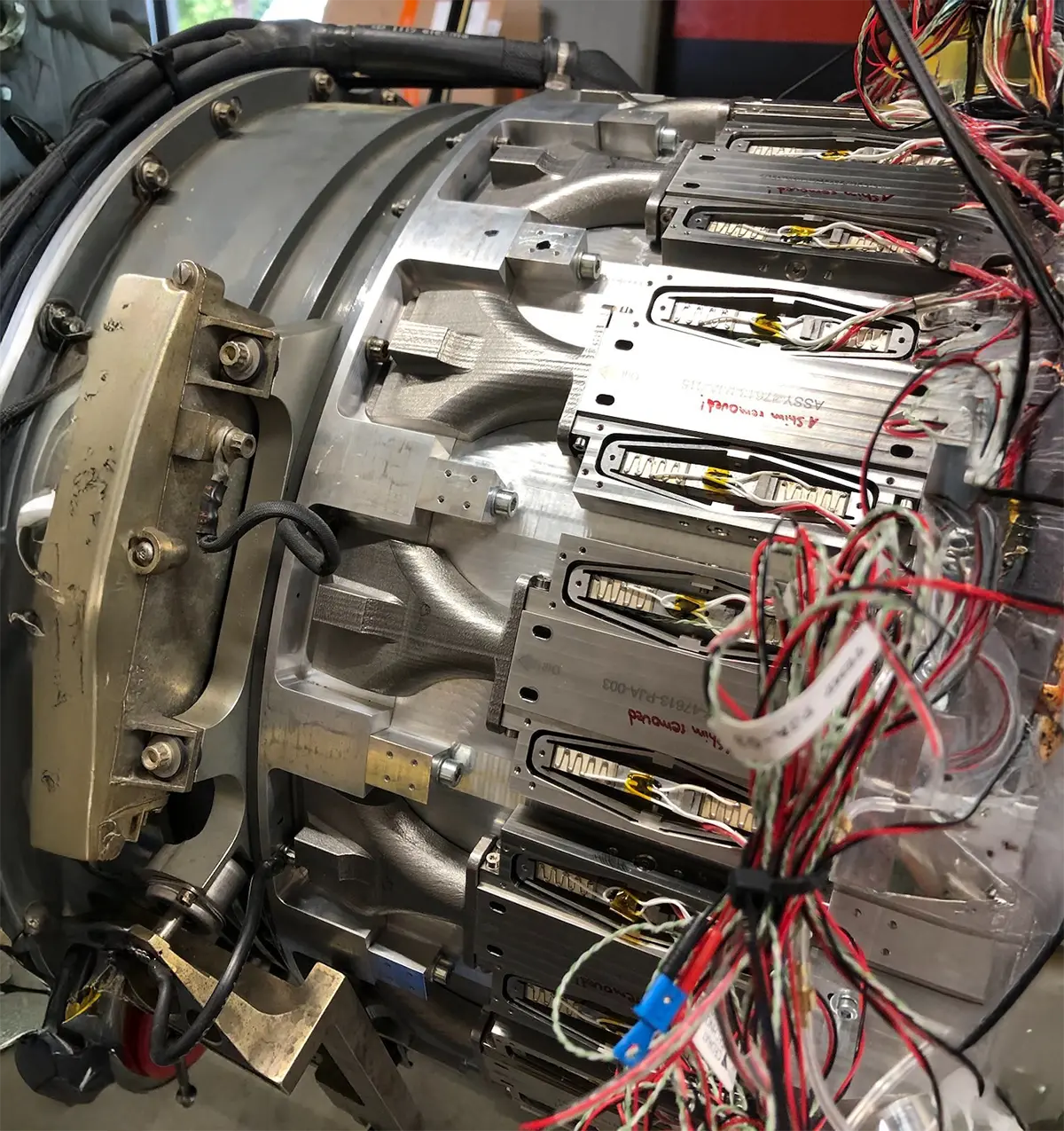
New piezoelectric actuators were designed and manufactured with a new engine inlet for the Larzac 04 C5 jet engine. It has noninvasive injection positions that do not have any measurable effect on the inlet air flow when it is switched off. The main focus of the system design was to achieve high power of the injected air and, as a result, a high SMI. The results presented enable a maximum SMI of 99%. A variety of engine operating conditions and injection positions were experimentally tested and discussed regarding SMI. Additionally, the complex relationship between SMI gains and thrust specific fuel consumption (TSFC) is explored in a power balance analysis, revealing a trade-off between SMI improvement and increased energy consumption.

High-resolution Rotating Piezo Motors for LISA (Laser Interferometer Space Antenna)

7 July 2026

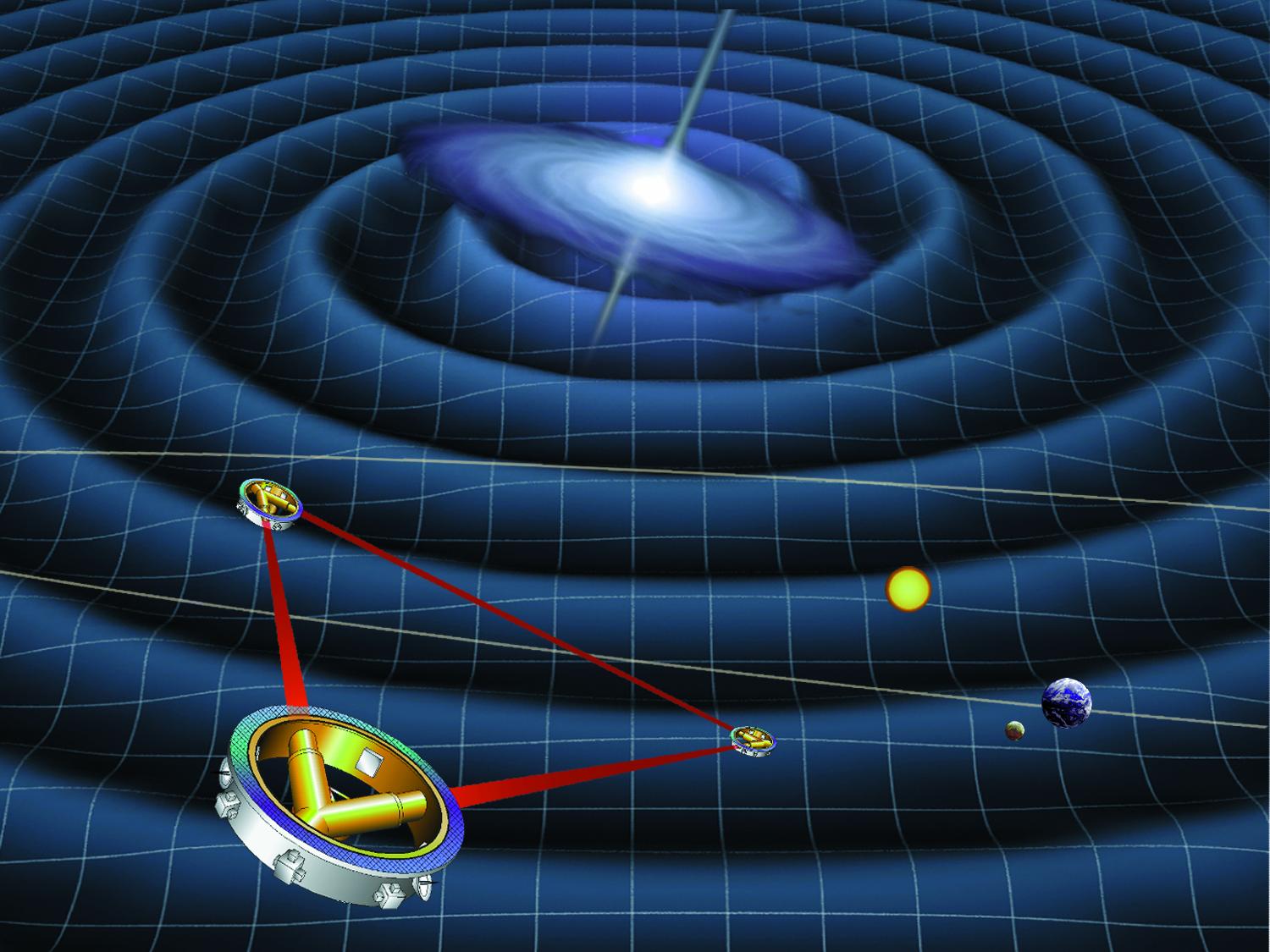
The article presents the outcomes of Technology Development Activities (TDA) of several rotating piezo motors for the LISA mission. The Laser Interferometer Space Antenna (LISA) is the European Space Agency’s (ESA) third large-class mission, aiming to become the first spaceborne gravitational wave observatory. It comprises three spacecrafts flying in a precise triangular formation, separated by 2.5 million kilometres. To ensure a stable environment for the scientific pay-load, motors must deliver ultra-low micro-vibration levels and exceptional magnetic cleanliness. Cedrat Technologies (CTEC) worked within several consortiums on 3 different motors of various sizes in different parts of the satellites. These 3 motors have a large variety of specifications, but are all compact compared to the provided torque, low-speed, non-magnetic, and will answer the environmental constraints of the LISA missions (launch, radiation, cleanliness, low micro-vibration emissivity). In this article, the development processes are described, covering the con-ceptual, preliminary, and breadboard phases. Test results are presented and discussed, along with the lessons learned, demonstrating the potential of inchworm piezoelectric motors for space applications. From these results, CTEC has been selected for the development of the flight models FM (TRL 9) of 3 types of motors. These models should consider the space environment requirement constraints (resistance to launching shocks and vibration, etc) with margins, according to ECSS norms.